A Central Texas Roof, Season by Season
Hail in spring, heat in summer, debris in fall, cold snaps in winter. A rough rhythm for the year, and what's safe to check yourself.
September 2, 2026 · 4 min read
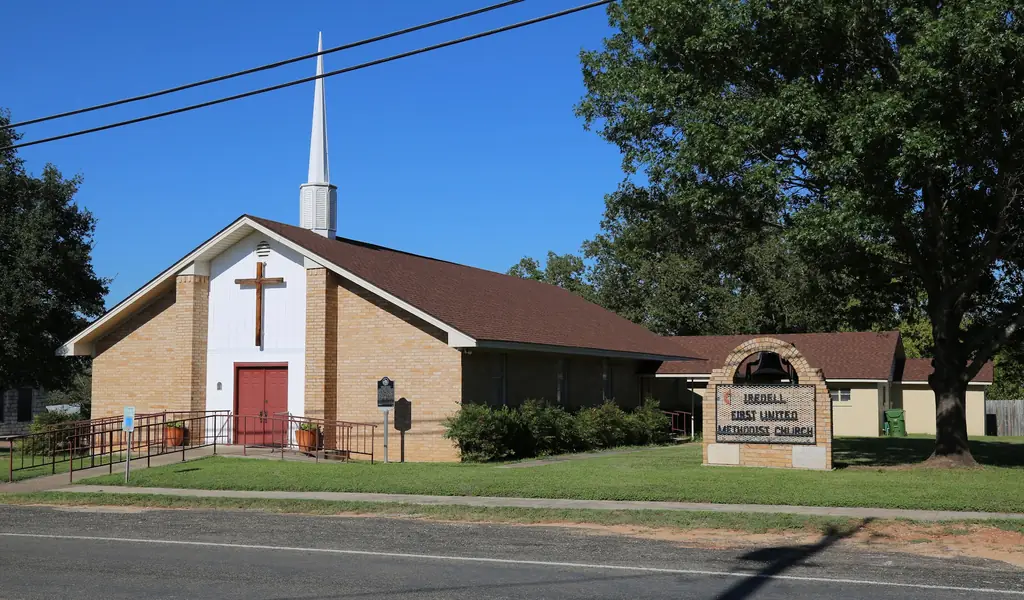
A roof in Erath, Bosque, Hamilton, Hill, Comanche, or Hood county goes through a real range across a year: hail in spring, brutal heat in summer, pecan limbs and debris in fall, and cold snaps in winter. None of it happens in isolation, what a roof takes in one season shows up as a problem in the next. Here's a rough rhythm for the year, and what you can safely check yourself.
Spring: Hail Season
Spring is when most hail damage in this part of Texas happens. After any hard storm, walk the yard and look at gutters, downspouts, window screens, and AC fins before you even look at the roof. If those took hits, the roof probably did too. Binoculars from the ground can show obvious dents on metal roofing. Shingle bruising is harder to spot from the ground, which is exactly why a free damage evaluation after a spring storm is worth having even if nothing looks obviously wrong.
Summer: Heat and Expansion
Texas summer heat puts real stress on a roof. Materials expand during the day and contract at night, over and over, for months. This is when small existing problems, a loose flashing edge, a shingle that was already lifting, tend to get worse rather than better. From the ground, look for shingles that appear to be curling or lifting at the edges, especially on south and west facing slopes that take the most direct sun through the afternoon.
Fall: Debris
Pecan limbs and other debris come down through autumn, and a branch across a roof can scrape granules loose or crack a shingle without anyone noticing until much later. After a windy fall day, walk the property and clear anything that's landed on the roof if it's safely reachable, and note anything too heavy or high to get to yourself.
Winter: Cold Snaps
Central Texas winters aren't long, but a hard freeze after rain can still cause problems, particularly around valleys and flashing where water sits longest. Ice is less of a concern here than farther north, but a sudden freeze on a roof that was already holding moisture somewhere is worth a look afterward, once temperatures come back up.
What You Can Check From the Ground
- Gutters and downspouts clear and securely attached
- Shingles that look curled, lifted, or missing, from the ground or with binoculars
- Visible dents on metal panels, especially after hail
- Branches, leaves, or other debris sitting on the roof
- Water stains on ceilings or sag along the ridgeline, both signs of a problem already inside the house
What Needs Somebody on the Roof
Flashing condition around chimneys and vents, the actual state of the underlayment, real granule loss on shingle, and anything found after a storm all need someone up there who knows what they're looking at. That's not a job for a homeowner on a ladder, especially not right after a storm when the deck may already be compromised underneath.
Metal and Shingle Age Differently Through the Year
A metal roof and a shingle roof don't show a hard year the same way. Metal tends to hold its shape and finish through summer heat and only really shows trouble as dents after hail or occasional fastener loosening over time, worth a glance after any big temperature swing. Shingle shows its age more gradually, through granule loss and curling that builds up over several seasons rather than any one storm. Knowing which material is on your roof changes what's actually worth watching for as the year goes on.
Across a Wide Service Area
Erath, Bosque, Hamilton, Hill, Comanche, and Hood counties cover a lot of ground, and conditions aren't identical across all of it. A ranch house out past Ireland sees different wind exposure than a place tucked into town in Stephenville or Hico. What doesn't change is the basic seasonal rhythm, hail risk climbs in spring, heat stress builds through summer, debris comes down in fall, and a hard freeze can still catch a compromised spot in winter, wherever the house happens to sit in the county.
A Rhythm, Not a Single Fix
None of this is about catching one dramatic problem. It's about noticing the small things each season leaves behind before they stack up into something expensive. A roof that gets a quick look after each hard spring storm, each brutal summer stretch, and each fall windstorm rarely surprises anyone with a sudden leak. One that only gets attention when water's already coming through the ceiling almost always costs more to fix, because whatever caused it has usually been sitting for a while by then.
Excell Roofing offers free estimates and free damage evaluations year round, and Rick answers his own phone at (254) 485-5615. A quick call after a rough season, spring hail, a heavy fall storm, whatever it is, costs nothing and tells you whether what you're seeing from the ground is something to actually worry about.
Excell Roofing — (254) 485-5615
Call (254) 485-5615More articles
Roofing a Church, a Barn, or a Shop: What Changes When It Isn't a House
Bigger spans, different slopes, and a schedule that has to work around a congregation, livestock, or a shop full of equipment.
What a Real Roofing Quote Should Tell You Before You Sign
A quote is easy to skim and hard to actually read. Here's what it should spell out before anyone gets on your roof.