Hail Hit Your Roof? Here's What the First 48 Hours Should Look Like
Bruised shingles don't always look like much from the ground, and what you do in the first two days can be the difference between a repair and a much bigger job.
September 2, 2026 · 4 min read
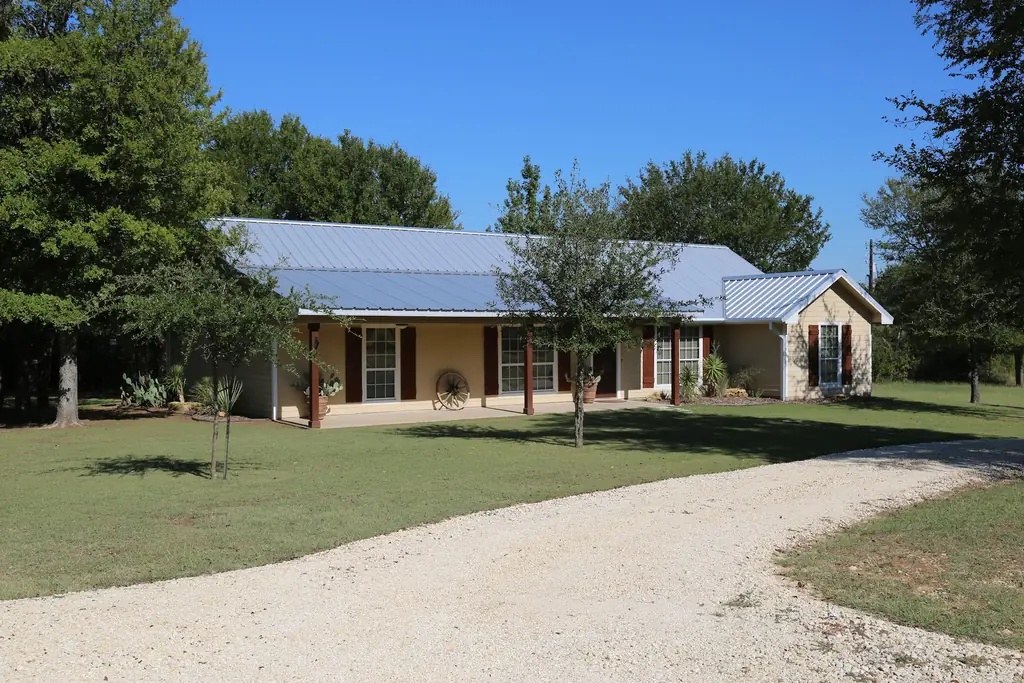
A hailstorm moves through Central Texas and leaves everyone asking the same question: did my roof actually take a hit, or does it just look rough after a bad night. The two aren't the same, and telling them apart is the first job. Get that wrong and you either pay to fix a roof that didn't need it, or you leave real damage sitting until it turns into a leak.
What Real Hail Damage Looks Like
On composition shingle, hail bruises the mat under the granules. From the ground it can look like nothing at all. Up close, or on a ladder, you're looking for soft dark spots where granules have been knocked loose, exposed black felt showing through, and dents that give slightly when pressed. Fresh hits look different from old ones, the edges are sharper and the exposed spot hasn't weathered yet. On metal roofing, hail leaves dents you can usually see from across the yard, especially in low morning or evening light raking across the panels. Gutters, downspouts, window screens, and AC fins take the same hits your roof does. If those are dinged up, your roof got hit too.
What's Just Normal Wear
Not every rough patch is storm damage. Granule loss from age looks even and gradual, spread across the whole slope rather than clustered where hail would have landed. Curling shingle edges, faded color, and moss on the north side are weathering, not impact. A roofer who's honest with you will tell you the difference on the spot, and won't try to sell a full replacement off wear that was already there before the storm.
The First 48 Hours
What you do in the first two days matters more than most homeowners realize.
- Photograph everything before you touch anything: wide shots of each slope, close-ups of any suspected hits, and the same for gutters, siding, and any outbuildings.
- Note the date and rough time of the storm if you know it. Insurance adjusters and roofers both want this.
- If there's an active leak or exposed decking, get it covered. A tarp or a quick patch keeps two inches of rain from turning a repair into a full interior job.
- Don't climb up there yourself if you don't do this for a living. A wet or damaged roof deck is not the place to find out you're less sure-footed than you thought.
- Call for a damage evaluation before you call anyone else. What a roofer finds on the roof should drive what happens next, not the other way around.
Why the Evaluation Comes First
Excell Roofing offers free damage evaluations, and that's the right first call regardless of who ends up doing the work. A real evaluation gets someone on your roof who knows what hail damage looks like versus wind damage versus a decade of Texas sun, and gives you a straight answer before any money changes hands or any insurance claim gets filed. Excell also works as insurance claims specialists, which mainly means they know how to document what they find in a way an adjuster can actually use.
One thing worth knowing before you call: hail damage doesn't always announce itself with a leak right away. A bruised shingle can sit for a year looking fine and then fail during the next hard rain. That's exactly why the evaluation matters even when nothing is dripping yet.
Why Tarping Fast Matters
A punctured or missing shingle doesn't have to leak the day it happens. Texas weather rarely waits, though, and the next rain after a storm is usually close behind the first one. Once water gets past the shingle layer it's working on decking, insulation, drywall, and anything stored in the attic, and that damage costs a lot more to put right than the roof itself. A same-day tarp or patch over an exposed spot is cheap insurance against a much bigger repair a week later, which is exactly why a fast response matters more with roofing than with almost any other home repair.
Don't Wait for a Leak to Ask the Question
The instinct is to only worry about the roof once water shows up on a ceiling. By then the damage has usually been sitting for weeks or months. After any hailstorm strong enough to dent a mailbox or strip leaves off a tree, it's worth having someone actually look, even if the inside of the house seems fine. Central Texas gets enough hail seasons that most roofs in this area will take a real hit at some point, the question isn't if, it's whether anyone caught it in time.
If You Need Someone Out There Fast
Rick Jones answers his own phone at (254) 485-5615, and Excell Roofing is open around the clock. One customer's review describes calling in the evening after a hailstorm and having holes in the roof patched the next morning, before more rain got in. That's the standard worth expecting: fast enough to matter, and honest about what's actually there once they get up on the roof.
Excell Roofing — (254) 485-5615
Call (254) 485-5615More articles
A Central Texas Roof, Season by Season
Hail in spring, heat in summer, debris in fall, cold snaps in winter. A rough rhythm for the year, and what's safe to check yourself.
Roofing a Church, a Barn, or a Shop: What Changes When It Isn't a House
Bigger spans, different slopes, and a schedule that has to work around a congregation, livestock, or a shop full of equipment.